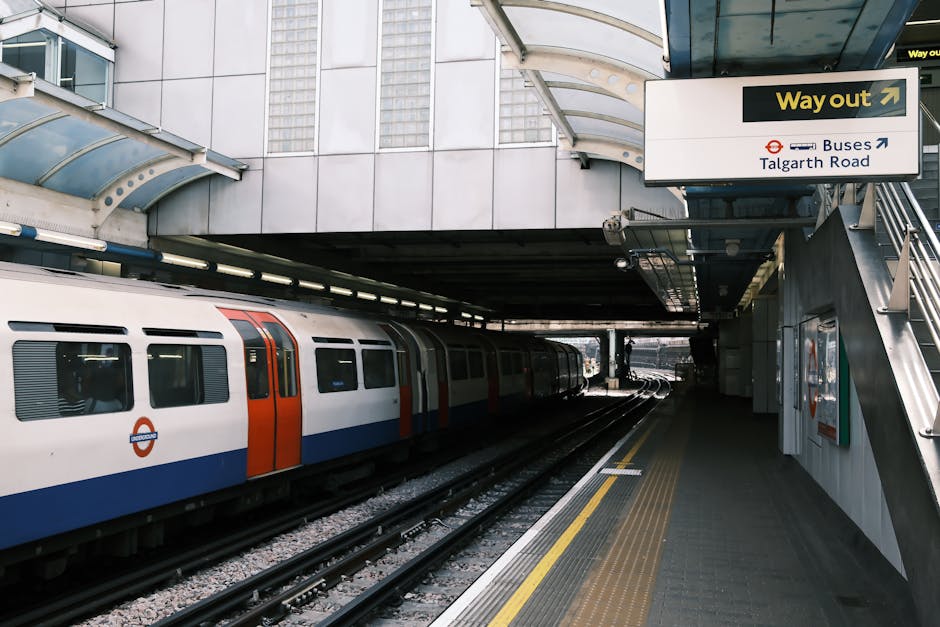
Rubbish removal for homes near Mill Hill East tube station

If you live near Mill Hill East tube station, rubbish removal can be one of those jobs that looks small on paper and becomes a proper headache by lunchtime. A broken wardrobe in the hallway, a pile of old boxes from a recent move, a sagging mattress, garden waste after a weekend clear-up... it all adds up fast. And if you are on a busy residential street, sharing access with neighbours or working around parking restrictions, the whole thing can feel more complicated than it should be.
This guide breaks down rubbish removal for homes near Mill Hill East tube station in plain English. You will learn how the process works, what type of household waste can usually be taken away, what to watch out for, and how to make the whole thing easier, cleaner, and less stressful. Truth be told, most people do not need a dramatic solution. They just need a reliable one.
Why Rubbish removal for homes near Mill Hill East tube station Matters
Homes near Mill Hill East tube station tend to sit in the awkward middle ground between suburban calm and London practicality. There may be flats with tight stairwells, houses with limited front-drive space, and roads where loading up a vehicle without blocking someone in is easier said than done. That matters because rubbish is not just clutter; it affects how a home works day to day.
A small backlog of waste can become a safety issue, an access issue, and a comfort issue. Cardboard gets damp. Old furniture blocks cupboards. Broken appliances collect dust in corners. A few bags of rubbish can quickly turn into a room you stop using properly. We have all seen that moment where the spare room slowly becomes the "dumping room". Not ideal, obviously.
In a local area like this, the practical challenge is not only removing waste, but doing it without disrupting neighbours, damaging communal areas, or leaving you with a half-finished job. That is why a proper household clearance approach tends to work better than a rushed one-off attempt.
There is also a sustainability angle. People often want to know whether items will be sorted responsibly rather than just sent away in one mixed load. If that matters to you, it is worth looking at a provider's approach to recycling and sustainability before you book anything. It is a small step, but a useful one.
How Rubbish removal for homes near Mill Hill East tube station Works
Most household rubbish removal follows a simple pattern. You identify what needs to go, the provider estimates the load and access, a collection is arranged, and the team removes, sorts, and disposes of the waste. Simple in theory. The detail is where the value is.
For homes near Mill Hill East tube station, access is often the deciding factor. Can a vehicle stop close by? Is there a lift? Are there stairs? Is the waste upstairs, in the garden, or packed in a garage? These things affect timing, manpower, and the final price more than many people expect.
Good waste removal is usually part physical clearance, part sensible planning. A team should know how to separate furniture, appliances, mixed junk, and recyclable material. They should also be able to handle items that need special care, such as old fridges, mattresses, or anything potentially hazardous. If you have bulky items, you may also want to look at furniture clearance or mattress and sofa disposal where appropriate.
A decent collection service should be straightforward to use. Some customers prefer to book online, especially if they know exactly what is being removed. Others want a quick conversation first because the job is a bit messy or unusual. Both are normal, by the way. Real homes rarely fit neat boxes.
Key Benefits and Practical Advantages
The obvious benefit is that your home becomes usable again. But there is more to it than clearing visual clutter. A good rubbish removal service saves time, reduces lifting risk, and helps you deal with items that are hard to dispose of through standard household routes.
- Faster than doing it yourself: no multiple car trips, no loading and unloading the same sofa three times, no van hire stress.
- Better for awkward access: if you live in a flat, maisonette, or house with narrow hallways, experienced handlers make a real difference.
- Less disruption: waste can be cleared in one visit rather than sitting around for days.
- Suitable for mixed loads: furniture, general junk, appliances, garden waste, and renovation debris can often be handled together, depending on the service.
- More responsible disposal: items may be reused, recycled, or processed more carefully than a hasty DIY approach.
There is also a psychological benefit people underestimate. Clearing a spare room, hallway, loft, or garage can make a home feel calmer immediately. You notice it when you walk in. The air feels less heavy. The space sounds quieter, even if that sounds a bit odd. It is real, though.
If your job involves several types of waste, a broader waste removal service may be more efficient than trying to split the task into separate mini-jobs. For bigger home projects, that flexibility is often what keeps the process sane.
Who This Is For and When It Makes Sense
This kind of service suits more people than you might think. It is not only for major clear-outs or end-of-tenancy emergencies. In fact, many of the most common jobs are ordinary life jobs: a garage being reorganised, a loft finally being tackled, or a flat that has accumulated too much after a move.
It makes sense if you are:
- moving house and do not want to transport junk to the next address
- clearing a flat or maisonette near the station
- sorting out a loft, garage, or shed that has become unmanageable
- getting rid of a sofa, mattress, wardrobe, or old white goods
- reclaiming garden space after pruning, landscaping, or a seasonal tidy-up
- dealing with the aftermath of a renovation, DIY project, or builder mess
For flats and apartments, a dedicated flat clearance or home clearance approach can be especially useful because it takes account of building access and communal space. For larger properties, a full house clearance may be more appropriate.
And if the job is more specific, such as a cluttered attic, a loft clearance or garage clearance is often the cleaner, less expensive way to organise it. No need to overcomplicate it.
Step-by-Step Guidance
If you want the process to run smoothly, a little preparation goes a long way. Here is a practical way to approach it.
- Walk through the home and identify everything that must go. Be realistic. Separate "definitely rubbish" from "might be useful later". That second pile is where time disappears.
- Group items by type. Put furniture together, appliances together, and loose rubbish together. This makes quoting and removal easier.
- Check for anything sensitive or restricted. Items like chemicals, certain paints, or damaged electronics may need special handling. If in doubt, ask before collection.
- Think about access. Measure narrow doors, stair turns, and lifts if you have them. A sofa can be a stubborn thing at the best of times.
- Request a quote with a clear description. Photos help. So does being honest about quantity. Under-describing a load usually causes delays or awkward surprises.
- Prepare the space before collection day. Clear a path to the items, secure pets, and move fragile objects out of the way.
- Confirm what happens after loading. A responsible provider should explain how disposal is handled and which items can be recycled.
If your home includes unwanted office-style paperwork, you may also want confidential shredding. It is one of those small jobs that becomes much easier when it is bundled properly.
For homeowners who like booking things quickly, you can also use book online if that fits the way you prefer to arrange things. For some people, a form is easier than a call. Fair enough.
Expert Tips for Better Results
After a lot of clearance jobs, one thing becomes very clear: the best outcomes usually come from good preparation, not heroics on the day.
First tip: sort before you book. Even ten minutes of sorting can save time later. Separate reusable items from true waste. A good provider can handle mixed loads, but it still helps to know what you have.
Second tip: be honest about difficult items. Fridges, freezers, old mattresses, and bulky sofas often take more planning than standard bagged waste. If those are involved, look at dedicated services such as fridge and appliance removal or the mattress and sofa page mentioned earlier.
Third tip: think about timing around neighbours and traffic. Near a tube station, collection timing can matter. Early morning may be quieter, but school-run traffic and parking pressure can complicate things. Mid-morning often works well, though not always. You know the street better than anyone.
Fourth tip: ask how waste is handled. A reputable provider should be clear about sorting, recycling, and disposal routes. If a company sounds vague on this point, that is worth paying attention to.
Fifth tip: keep the job focused. If you also need garden or builder waste taken away, decide whether it is best to bundle the whole thing or split it into separate collections. For example, a home tidy-up after outdoor work might need garden clearance, while renovation spoil may be better handled via builders waste clearance.
Practical takeaway: the smoother the job, the more specific your instructions should be. What is being removed, where it is, and how easy it is to reach - those three details matter more than most people think.
Common Mistakes to Avoid
There are a few classic mistakes that cause most of the frustration. They are easy to avoid once you know them.
- Leaving sorting until collection day. That turns a simple visit into a scramble.
- Guessing the volume. A "small pile" can become a full van faster than expected.
- Ignoring access issues. Tight stairs, no lift, or restricted parking can change the whole plan.
- Assuming every item can go together. Some items need different handling, especially electricals or potentially hazardous materials.
- Choosing the cheapest option without checking what is included. A low headline price is not much use if the service is vague or incomplete.
- Forgetting about the aftermath. If a room is being cleared, think about what happens next. Repainting? New flooring? Storage boxes? Small things, but they matter.
Another common slip is failing to set aside a few items you intended to keep. Happens all the time. One box looks a lot like another and, suddenly, the wrong thing is on the truck. Annoying, but avoidable with labels or a quick final check.
Tools, Resources and Recommendations
You do not need specialist equipment to organise household rubbish removal, but a few basics can make the day go much better.
- Marker pens and labels: useful for separating keep, donate, and remove piles.
- Strong bin bags and boxes: ideal for smaller mixed items and loose clutter.
- Tape measure: especially handy for sofas, wardrobes, and awkward furniture.
- Phone camera: quick photos make quoting easier and reduce back-and-forth.
- Gloves and sturdy shoes: sensible if you are moving items before the team arrives.
On the service side, it helps to know what support is available for different types of waste. For instance, if you are dealing with old bedroom furniture, furniture disposal may be more appropriate than a general clear-out. If your home project includes a neglected shed or outdoor store, the garage page can be useful too.
If you want to compare service options before deciding, it may also help to review pricing and quotes. That kind of page tends to answer the unglamorous but essential questions: what is included, how estimates work, and what affects the price.
For people who like to understand the company as well as the service, about us can provide useful background, while insurance and safety is worth checking if you want reassurance about working practices. Not thrilling reading, but practical. And practical wins.
Law, Compliance, Standards, or Best Practice
Household rubbish removal is not just a matter of hauling things away. In the UK, waste should be handled responsibly, and that usually means checking that the provider follows sensible collection, transport, and disposal practices. You do not need to become a legal expert to book a collection, but a little awareness helps.
As a homeowner, the main thing is to avoid fly-tipping or handing waste to someone who cannot show they operate properly. If waste ends up dumped illegally, the trail can come back to the original householder. That is why it is wise to use a provider that can explain how waste is managed and disposed of.
Special care is often needed for certain categories of waste. Electricals, fridges, old sofas, and items with unknown contents should not be treated casually. Hazardous materials may require separate handling. If you are unsure, ask before collection rather than after. It saves time, and it avoids the awkward "that cannot go with the rest" moment.
Good practice also includes:
- clear communication about what will be taken
- careful loading that avoids damage to communal areas
- sorting items for recycling where possible
- safe handling of heavy or awkward objects
- transparent disposal arrangements
If you have waste that might be classed as hazardous, use the dedicated hazardous waste disposal information rather than guessing. Better safe than sorry, as they say.
For business owners or landlords with separate needs, business waste removal may be a better fit than a standard household collection. It is useful to keep domestic and commercial waste streams clearly separated.
Options, Methods, and Comparison Table
There is more than one way to clear rubbish from a home near Mill Hill East tube station. The right method depends on the amount, the type of waste, and how much help you want.
| Method | Best for | Pros | Watch-outs |
|---|---|---|---|
| Man and van style collection | Mixed household rubbish, furniture, general clutter | Fast, flexible, usually suitable for awkward access | Needs accurate descriptions and clear access details |
| Skip hire | Larger volumes, DIY jobs, ongoing clear-outs | Useful if you want to load at your own pace | Space, permits, and what can go in a skip all need checking |
| Self-load and run to a facility | Small loads and people with transport | Can work for very minor jobs | Time-consuming, physically demanding, less convenient |
| Specialist item collection | Fridges, mattresses, sofas, appliances | Better handling for bulky or awkward items | May need separate booking depending on the item |
If you are thinking about a skip, it is worth reviewing what can go in a skip before deciding. That page helps you avoid one of the most common frustrations: collecting waste only to discover part of it is not allowed.
For some homes, the fastest route is not a skip at all. It is a targeted home clearance arranged around the exact items that need to go. That is especially true if the waste is scattered across the loft, hallway, and garden rather than sitting neatly in one place. Real homes, eh?
Case Study or Real-World Example
Here is a realistic example, without the drama.
A family in a house near Mill Hill East tube station had finished a long-overdue bedroom reorganisation. The loft had become a storage overflow zone, the garage contained old flat-pack furniture, and the hallway had a dismantled wardrobe waiting for "some free weekend" that never arrived. They also wanted a mattress removed and a couple of broken appliances taken away.
Rather than trying to tackle it in three separate trips, they grouped the load by room and item type. Photos were taken, access was checked, and the collection was arranged for a mid-morning slot. The team removed the waste in one visit, leaving the rooms ready to be cleaned and redecorated. No endless back-and-forth. No borrowed car. No last-minute panic because the old wardrobe would not fit through the front door on the way out. We have all had jobs like that, where one tiny snag can ruin the whole afternoon.
What worked best in that situation was not brute force. It was planning. The family knew what was going, where it was, and what needed special handling. That is usually the difference between a smooth clearance and a stressful one.
Practical Checklist
Use this simple checklist before booking rubbish removal for your home near Mill Hill East tube station.
- List everything you want removed.
- Separate keep, donate, and remove items.
- Take a few clear photos of bulky waste.
- Measure large furniture and narrow access points.
- Check whether any items need specialist handling.
- Clear hallways, stairs, and entrances where possible.
- Decide whether the job is a general clearance, furniture-only removal, loft clearance, or garden clearance.
- Ask about recycling and disposal practices.
- Confirm the booking time and access instructions.
- Do a final sweep for valuables, paperwork, and keys before collection.
Small checklist, big difference. Honestly, it saves more headaches than most people expect.
Conclusion
Rubbish removal for homes near Mill Hill East tube station is really about restoring order without making the process harder than it needs to be. Whether you are clearing one awkward item or dealing with a full household mix of clutter, the best approach is usually the most practical one: know what you have, check the access, and choose a service that handles the waste responsibly.
For many homes in this part of London, the challenge is not the amount of rubbish alone. It is the access, timing, and coordination around busy day-to-day life. A well-planned collection takes that pressure off. It gives you back your space, and a bit of peace too.
If you are comparing options, looking at services such as home clearance, house clearance, or more specific support like garage clearance can help you choose the right fit for the job rather than overbuying a service you do not need.
Get a free quote today and see how much you can save.
And if you tackle it one sensible step at a time, the whole thing becomes far less daunting. One clear room at a time - that is usually how homes feel better again.
Frequently Asked Questions
What types of rubbish can usually be removed from homes near Mill Hill East tube station?
Most household collections cover general clutter, bagged waste, furniture, mattresses, some appliances, garden waste, and items from lofts, garages, or spare rooms. If you have something unusual, it is best to check in advance.
Is rubbish removal better than hiring a skip for a home clear-out?
It depends on the job. A skip can suit larger, ongoing projects, while rubbish removal is often better for mixed items, awkward access, and faster collections. If space is tight near your home, removal is often simpler.
How do I know whether I need a house clearance or a general waste removal service?
If you are clearing most or all of a property, house clearance is usually the better fit. If you are removing selected waste items from around the home, a general waste removal service is often enough.
Can bulky items like sofas and wardrobes be taken away?
Yes, usually. Bulky furniture is a common part of residential clearance work. Just make sure you describe the item accurately, especially if it needs dismantling or is difficult to move through stairs or narrow doors.
What should I do before the collection team arrives?
Sort items, label anything sensitive, clear access routes, and make sure valuables are removed from the area. A quick final check can save a lot of awkwardness later.
Are appliances like fridges and freezers handled differently?
They often are, because appliances may need separate processing. If you need that kind of clearance, look at the dedicated fridge and appliance removal option rather than assuming it will be treated like ordinary waste.
Do I need to worry about recycling or responsible disposal?
Yes, it is worth asking. Responsible providers should be able to explain how items are sorted and where they go. That is especially important if you care about reducing waste and avoiding unnecessary landfill.
How can I make rubbish removal cheaper?
Be accurate about what needs to go, group items neatly, and make access as easy as possible. Clear information usually leads to a better quote and fewer surprises on collection day.
Can rubbish removal help with a loft or garage that has been neglected for years?
Absolutely. In fact, those are some of the most common jobs. A loft clearance or garage clearance can be a smart way to tackle long-term clutter without trying to do everything yourself in one exhausting session.
What if I have something that might be hazardous?
Do not guess. Hazardous items need proper handling, so ask before booking. It is safer to separate those items and get specific guidance than to put them in with ordinary household waste.
How quickly can rubbish be collected from a home near Mill Hill East tube station?
Timing depends on availability, access, and the scale of the job. Small collections can often be arranged quickly, while larger clearances may need a little more planning. If the job is urgent, say so early.
Can I book rubbish removal online?
Yes, many people prefer that. If you already know what needs to be removed, booking online can be the fastest route. If the job is more complicated, a quick discussion first may be more helpful.
What should I check before choosing a provider?
Look for clear pricing, good communication, sensible safety practices, and a clear explanation of how waste is handled. You want the job done properly, not just quickly.